

Ramaphosa’s Push for Spaza Shop Registration to Tackle Health Risks and Fraud
By Oliver Ngwenya 05-Dec-2024 19:37 UTC+02:00
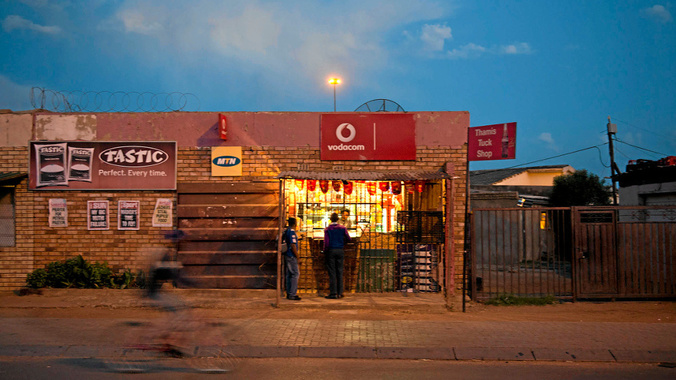
South Africa is at the center of a growing debate over the operations of spaza shops, especially regarding fraudulent business registrations and the safety of goods sold in townships. The issue gained national attention in 2024 after a number of children tragically died and hundreds more were hospitalized due to foodborne illnesses linked to products sold by these informal traders. In response, President Cyril Ramaphosa and government officials have since launched an extensive crackdown to regulate these businesses and ensure compliance with health standards.
Spaza shops, which are vital to the informal economy, have long served as essential sources of food and daily necessities in South African townships and rural areas. However, recent reports of unsafe products, including expired and contaminated food, have raised alarms. Adding to the controversy, authorities have uncovered instances of foreign nationals allegedly circumventing South African laws by registering businesses under the names of local citizens, a practice known as “fronting.” This allows foreign nationals to bypass regulations that restrict them from owning businesses in the informal sector, triggering concerns about the integrity of the township economy.
President Ramaphosa, in a recent speech in Thabazimbi, Limpopo, strongly condemned these illegal activities and urged South Africans not to participate in such fraudulent practices. He emphasized the importance of following proper registration procedures to avoid complicating the regulatory process and endangering public health.
The president’s comments came after a government directive that all spaza shops must be officially registered with their municipalities. With the deadline set for December 13, 2024, those who fail to comply will face the closure of their businesses. Ramaphosa’s administration is taking firm action against non-compliant spaza shops, particularly those linked to selling unsafe goods. He stressed that registration is not meant to punish business owners but to provide clarity on who is running these shops and ensure they meet safety standards.
As part of the initiative, law enforcement and municipal inspectors have been tasked with verifying the registration status of spaza shops and ensuring compliance with food safety regulations. In addition, the government has urged the public to cooperate with authorities, warning against vigilante actions that could jeopardize the legal process.
The issue of fraudulent registrations has far-reaching consequences. Not only does it undermine South African laws, but it also contributes to the sale of counterfeit or expired products, endangering consumers. The government’s focus is on curbing these practices to protect both legitimate businesses and public health.
President Ramaphosa’s push for formal registration aligns with a broader goal of formalizing the country’s informal economy. Small businesses play a crucial role in creating jobs and driving economic growth in townships and rural areas, but they must operate within the legal framework to ensure sustainable development. By enforcing registration, the government aims to protect consumers, foster fair business practices, and support local entrepreneurs.
As the deadline for registration approaches, the pressure is mounting on spaza shop owners to comply. Those who fail to do so will face immediate consequences, including the closure of their businesses. The government’s message is clear: comply with the law or face the repercussions. Through these measures, the government is working to secure a safer, healthier, and more competitive business environment in South Africa’s townships and rural areas.

