
DA Defends Minister Gwarube as ANC Faction Pushes for Dismissal Amid BELA Act Dispute
By Oliver Ngwenya 08-Dec-2024 22:45 UTC+02:00

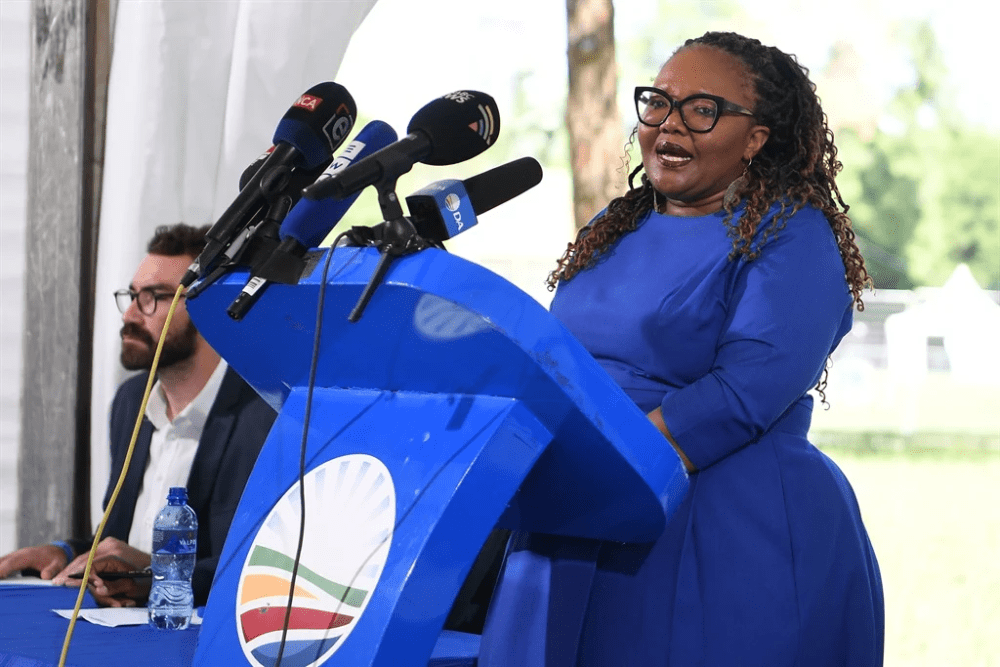
Amid escalating tensions within South Africa’s GNU, the BELA act controversy becomes a focal point as the DA defends Minister Gwarube against calls for her dismissal, threatening the stability of the coalition government. Picture: The Mail and Guardian.
In South Africa, political tensions within the Government of National Unity (GNU) have reached a boiling point as the Democratic Alliance (DA) fiercely criticizes efforts by a faction within the African National Congress (ANC) to pressure President Cyril Ramaphosa into dismissing Minister of Basic Education Siviwe Gwarube. According to DA leader John Steenhuisen, such a move would trigger the collapse of the GNU, severely damaging the coalition that forms the backbone of South Africa’s current government.
The controversy centers around the Basic Education Laws Amendment (BELA) Act, which was signed into law nearly three months ago. The clauses of particular concern are Clauses 4 and 5, which would shift control over school language and admission policies from school governing bodies to provincial heads of education (HoDs). These provisions have sparked widespread criticism from educators, parents and civil society groups, all of whom fear that they represent a dangerous erosion of community-based governance. In response, President Ramaphosa has withheld the implementation of these clauses, opting instead for an extended consultation process designed to address the concerns of various stakeholders.
Minister Gwarube has been thrust into the eye of the storm due to her role in facilitating these consultations. The DA has rallied behind her, defending her actions as being in line with legal obligations. Steenhuisen explained that Gwarube’s meetings with Solidarity and the Presidency at the National Economic Development and Labour Council (NEDLAC) were part of a mandatory process to avert strike action following a dispute from the Union. Steenhuisen emphasized that this engagement was procedural and distinct from the broader public consultation process on the BELA Act which aimed at resolving the immediate labor dispute, not altering the Act itself.
The growing tension has seen the DA accuse the ANC of using the BELA Act controversy as a means of destabilizing the GNU. Steenhuisen has made it clear that any attempt to undermine the legal process or force the removal of Gwarube is unacceptable. “We stand firmly behind Minister Gwarube,” he stated, asserting that the legal obligations were met and the NEDLAC negotiations resulted in a fair resolution. He condemned the apparent efforts by the ANC to discredit this legally mandated process, calling the situation both “disgraceful” and “confusing.
The BELA Act has become a symbolic battleground, with its controversial clauses igniting debates over the future of South Africa’s education system. Advocates for the Act argue that it will promote greater inclusivity and standardization in schools but detractors fear it could lead to the centralization of power and reduce the autonomy of local communities. The ongoing consultations led by the Presidency and Minister Gwarube are attempting to address these concerns and find a solution that balances these competing interests while adhering to constitutional principles of equity and fairness.
The situation underscores the difficulties of managing a coalition government, particularly one with such diverse political ideologies. For the DA, the BELA Act controversy is not just a dispute over education policy but a test of the GNU’s ability to govern effectively while maintaining internal unity. As the country watches these political tensions unfold, the outcome will likely shape the future of coalition politics in South Africa, determining whether the GNU can overcome its internal fractures or whether it will succumb to factionalism.

