Venâncio Mondlane Intensifies Calls for Public Demonstrations in Mozambique, Alleging October Election Marred by Fraud
By Oliver Ngwenya 12-Nov-2024 23:08 UTC+02:00

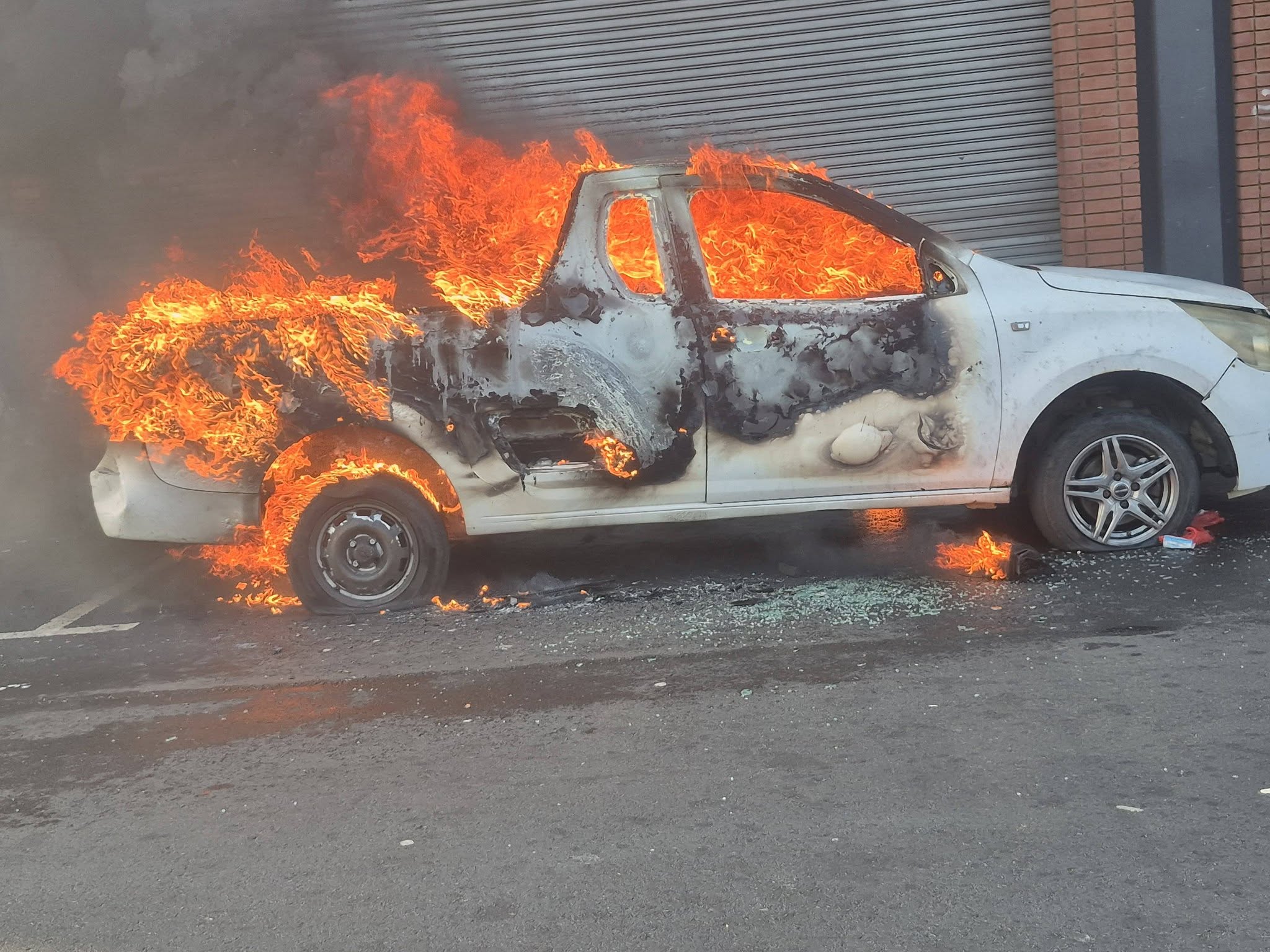
In Mozambique, tensions remain high as opposition presidential candidate Venâncio Mondlane intensifies calls for public demonstrations, alleging that the October 9 election was marred by fraud. With violence already resulting in the deaths of at least 40 people, protests are set to continue in key areas like ports, borders, and major cities until what Mondlane calls “electoral truth” is restored. Many demonstrators, including truck drivers near the South African border, are being urged to block roads as a form of protest.
This election dispute has affected not only Mozambique’s domestic stability but also its relations with neighboring South Africa. South Africa’s intermittent closure of the Lembobo border has worsened food shortages in Mozambique’s southern provinces, which rely heavily on imports from South Africa. South African officials have cautioned truck drivers against travel across the border, citing safety risks amidst the unrest.
Mondlane, who gained 20.3% of the vote, has accused the ruling party, Frelimo, of rigging the election in favor of Daniel Chapo, who reportedly won over 70% of the vote. Mondlane has stated that peaceful demonstrations will continue until violence against his supporters stops and the election results are scrutinized. He has also condemned acts of vandalism, including the looting of a South African-owned Shoprite store in Maputo, calling instead for “patience as hope for a victory is near.”
South Africa’s Department of International Relations issued a travel advisory and expressed concerns about potential spillover from Mozambique’s unrest. Justice Minister Ronald Lamola has affirmed that South Africa will uphold its diplomatic engagement with Mozambique and support the Southern African Development Community (SADC) mediation process, set to be discussed at an extraordinary summit in Harare next week. The Mozambican Constitutional Council, which is the designated body for handling election disputes, has yet to rule on Mondlane’s objections, and Lamola emphasized the importance of respecting this legal process.
Civil society groups in Mozambique have long criticized Frelimo’s dominance and alleged electoral manipulation. The ongoing demonstrations have compounded the country’s economic instability, adding to the effects of the infamous Secret Debt scandal, which led to a sovereign debt default in 2016. This economic crisis has fueled public anger, with many calling for reform and transparency. SADC’s intervention in Mozambique’s election dispute will be pivotal as regional leaders seek to stabilize the situation and prevent further economic and social deterioration.

