

Eskom’s Fight Against Electricity Theft Sparks Chaos and Questions
By Oliver Ngwenya 27-Nov-2024 15:33 UTC+02:00
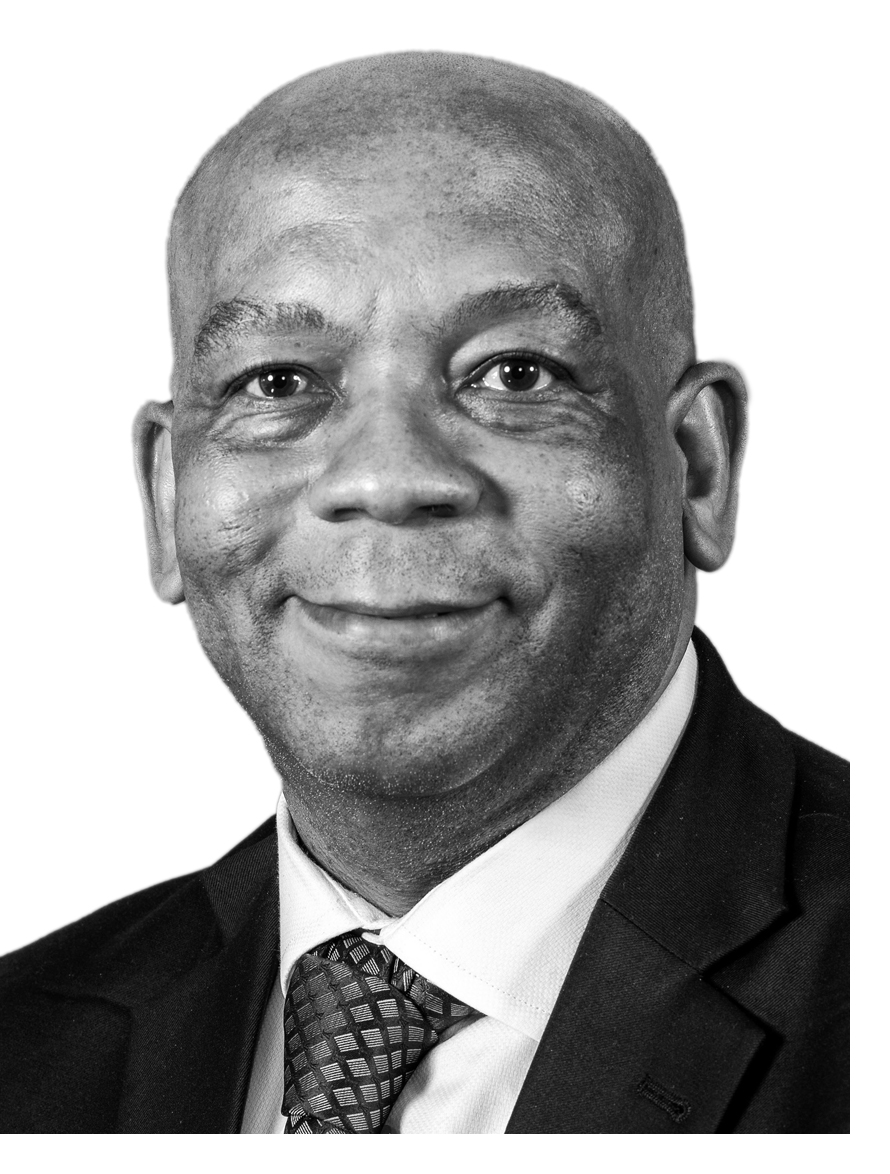
Minister of Electricity and Energy Dr Kgosientsho Ramokgopa. Image: ThePresidency.org.za
South Africa’s power utility, Eskom, is at the center of a complex challenge after its campaign to upgrade prepaid electricity meters uncovered widespread illegal electricity use. The initiative, which transitioned customers to the updated KRN2 system, was intended to improve billing accuracy and accountability, marking a critical step in Eskom’s efforts to combat electricity theft and stabilize its finances.
By the November 24 deadline, Eskom reported that 5.5 million prepaid meters had been successfully upgraded. Among these were 400,000 customers who were previously classified as “zero buyers” – a euphemism for individuals using electricity without payment through illegal connections or tampered meters. However, 1.7 million zero buyers remain unconverted. Eskom extended a grace period until December 13, 2024, for these users to regularize their accounts. The process includes paying tampering fines, purchasing electricity tokens, and replacing faulty or bypassed meters.
Minister of Electricity and Energy Kgosientsho Ramokgopa shed light on the issue, identifying five categories of affected users. These ranged from paying customers encountering technical glitches to those who had never owned a meter but still found ways to access electricity illegally. While Eskom described its approach as firm but fair, the process has not been without controversy. Long queues formed at Eskom offices as panicked customers rushed to comply with the deadline, with tragic consequences: at least one person lost their life while waiting in line.
Eskom CEO Dan Marokane emphasized that the meter upgrade was vital for fairness and sustainability, ensuring that paying customers no longer subsidize electricity theft. He stressed that this effort was also crucial for reducing Eskom’s financial reliance on taxpayers. Despite these assurances, concerns linger about the practicality and impact of the measures. Eskom’s head of distribution, Monde Bala, admitted that communication around the project could have been better, a shortfall that compounded the chaos as the deadline approached.
Yet questions remain. What will become of the unconverted zero buyers after the December 13 deadline? How will Eskom enforce compliance in impoverished communities where electricity theft may be driven by necessity rather than malice? And with fines and repayment plans now on the table, could punitive measures deepen the divide between the utility and the public it serves?
As Eskom attempts to regain control over its customer base, the campaign raises broader questions about fairness, access, and the sustainability of South Africa’s energy future.

